
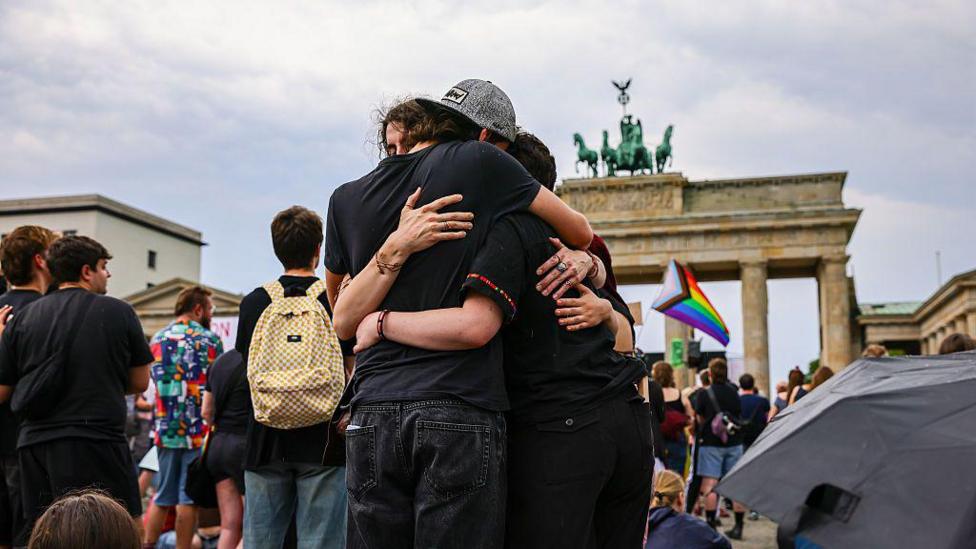
Anger, shock and grief - questions remain in the wake of the Berlin Pride attack
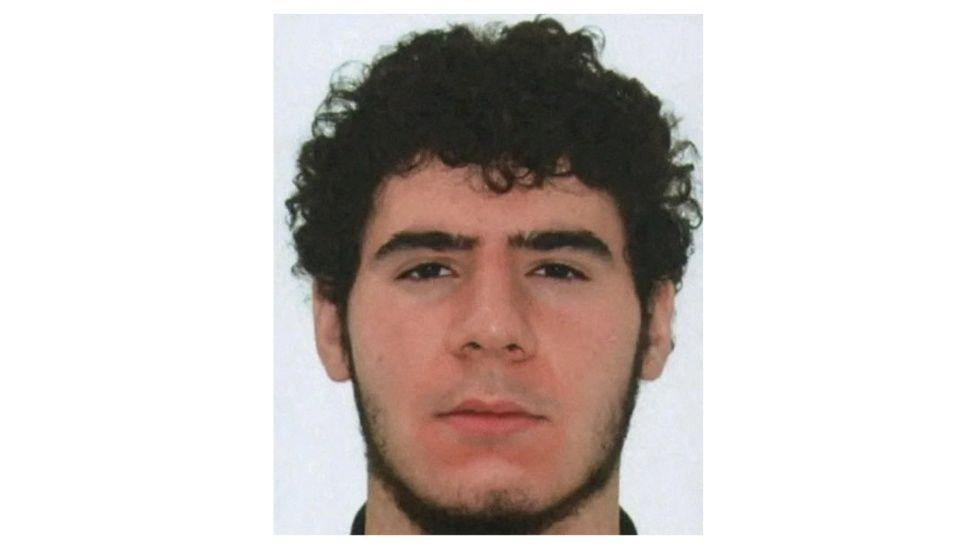
Germany's Interior Minister Alexander Dobrindt said Ballout "had previously drawn attention to himself through a high volume of criminal offences,...
Key points
- Germany's Interior Minister Alexander Dobrindt said Ballout "had previously drawn attention to himself through a high volume of criminal offences, radicalisation and affiliation with the Islamist scene." As details emerge about his criminal convictions, many are asking why Ballout was not in prison.
- In May this year, a Berlin court sentenced Ballout to a juvenile sentence of one year and ten months, for "preparing a serious act of violence endangering the state".
- under juvenile criminal law," he told RBB TV.
- According to Der Spiegel, Ballout told the Berlin court this spring that he had distanced himself from extremist ideology and violence.
What happened
More photos
Germany's Interior Minister Alexander Dobrindt said Ballout "had previously drawn attention to himself through a high volume of criminal offences, radicalisation and affiliation with the Islamist scene." As details emerge about his criminal convictions, many are asking why Ballout was not in prison. In May this year, a Berlin court sentenced Ballout to a juvenile sentence of one year and ten months, for "preparing a serious act of violence endangering the state". under juvenile criminal law," he told RBB TV. According to Der Spiegel, Ballout told the Berlin court this spring that he had distanced himself from extremist ideology and violence. He said Ballout had given social workers "a very composed, very cautious, very controlled and very friendly impression". Who was he still in contact with?' Although he was under surveillance, there was clearly a gap in the system." Germany's Chancellor Friedrich Merz said it was too early to say what political consequences will be drawn from the attack, but promised there would be action: "We will have to respond with prudence, but also with determination." He said if individuals classified as threats could not be detained, their freedom of...